Shingle roof systems play an essential role in enhancing a home’s value and comfort. Their durability and aesthetic appeal can attract potential buyers, while effective thermal insulation contributes to energy efficiency. Additionally, the variety of styles and colors allows homeowners to customize their roofs, improving curb appeal. However, understanding how to select the right shingle roof system is vital for maximizing these benefits. Key considerations must be explored further to guarantee informed decisions.
Key Takeaways
- Shingle roofs enhance thermal insulation, leading to improved indoor comfort and reduced energy costs for homeowners.
- Aesthetic appeal and variety in materials increase curb appeal, making homes more attractive to potential buyers.
- Durable roofing systems offer long-term value, ensuring fewer repairs and maintenance costs over time.
- Energy-efficient shingles can lower cooling costs, appealing to cost-conscious buyers and increasing market value.
- Compliance with local building codes ensures safety and longevity, reinforcing the quality of the home’s roof system.
The Basics of Shingle Roof Systems: An Overview
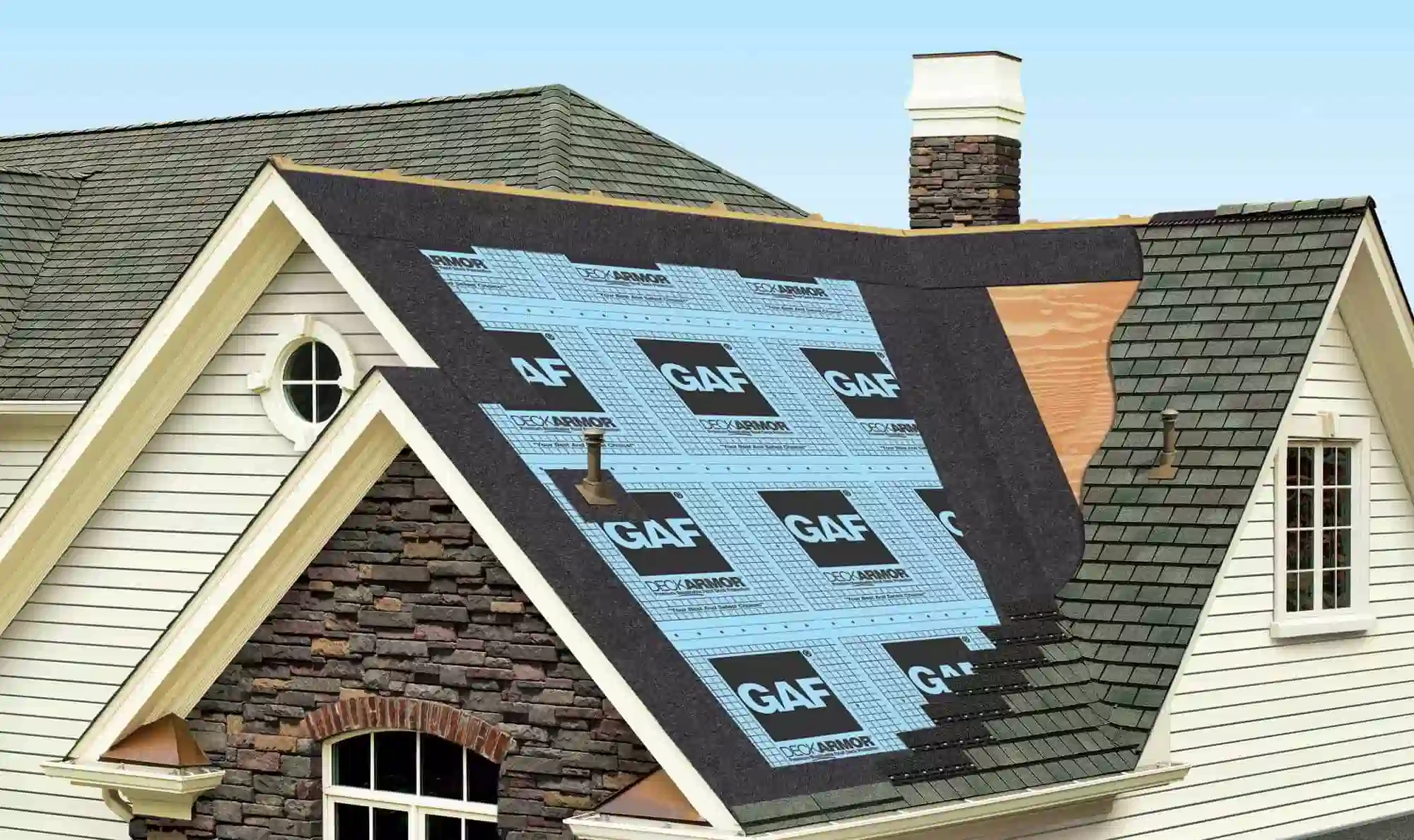
Shingle roof systems, as foundational components of residential architecture, play an essential role in both aesthetic appeal and structural integrity. This shingle roof systems overview highlights the various types, including asphalt, wood, and metal shingles, each offering distinct advantages. Asphalt shingles are the most common due to their cost-effectiveness and versatility. Wood shingles provide a natural aesthetic but require more maintenance. Metal shingles, while initially more expensive, offer longevity and durability. Understanding the composition and installation methods is vital for homeowners seeking to enhance their property’s value. Proper installation and maintenance of shingle roof systems not only protect against environmental elements but also contribute considerably to the home’s overall appearance and marketability, making them a significant investment for homeowners.
Benefits of Shingle Roof Systems for Comfort
The comfort of a home is greatly influenced by its roofing system, particularly through the use of shingle roof systems. These systems enhance thermal insulation, effectively regulating indoor temperatures and reducing energy costs. The materials used in shingle roof systems, such as asphalt and fiberglass, offer excellent durability while minimizing noise from external elements, thereby creating a peaceful living environment. Additionally, their lightweight nature reduces structural stress, contributing to overall home stability. Shingle roof systems also provide effective water drainage, preventing leaks and moisture accumulation that can lead to discomfort. By ensuring a safe and cozy atmosphere, these roofing options cater to homeowners seeking both functionality and aesthetic appeal, consequently promoting a sense of belonging within their living spaces.
Boosting Home Value With Shingle Roof Systems
A well-constructed roof can greatly elevate a home’s market value, particularly when utilizing shingle roof systems. These systems are renowned for their durability, versatility, and aesthetic appeal, making them a preferred choice among homeowners and prospective buyers. A well-maintained shingle roof not only enhances curb appeal but also signals quality and care in homeownership, which can translate into higher resale values. Moreover, shingle roof systems are available in various colors and styles, allowing homeowners to customize their exteriors, thereby appealing to a broader audience. Additionally, energy efficiency features, often integrated into modern shingle designs, can additionally attract buyers seeking cost-effective options. Overall, investing in shingle roof systems provides significant returns in both value and comfort, solidifying their importance in homeownership.
Essential Factors to Evaluate When Selecting Shingle Roof Systems
When selecting shingle roof systems, homeowners should consider several essential factors to guarantee peak performance and longevity. First, the material type—such as asphalt, wood, or metal—affects durability and aesthetics. Next, the climate of the region plays a critical role; for instance, certain shingles perform better in extreme temperatures or heavy rainfall. Additionally, homeowners should evaluate the warranty offered by manufacturers, as a more extended warranty often indicates higher quality. Installation methods are also crucial; improper installation can lead to costly repairs. Finally, local building codes and regulations should be reviewed to ensure compliance. By focusing on these aspects, homeowners can make informed decisions about shingle roof systems that enhance both value and comfort.
What to Look for in Shingle Roof Systems?
Selecting the right shingle roof systems involves understanding specific attributes that contribute to their effectiveness and longevity. Homeowners should prioritize material quality, with options such as asphalt, fiberglass, or wood, each offering unique benefits. Durability is essential; shingles with high wind resistance ratings and impact ratings enhance longevity. Additionally, homeowners should consider the warranty period, as an extended warranty often indicates manufacturer confidence. Energy efficiency is another critical aspect; reflective shingles can reduce cooling costs. Aesthetic appeal remains important, as a variety of colors and styles can complement home design. Finally, inspecting for proper installation techniques guarantees peak performance. By focusing on these elements, homeowners can make informed decisions and enhance their properties through well-chosen shingle roof systems.
Frequently Asked Questions
How Long Do Shingle Roof Systems Typically Last?
Shingle roof systems typically last between 15 to 30 years, depending on factors like material quality, installation, and maintenance. Regular inspections and timely repairs can greatly extend their lifespan, ensuring lasting durability and protection for homeowners.
Are There Eco-Friendly Shingle Roof Options Available?
Yes, there are eco-friendly shingle roof options available. These include materials made from recycled content, sustainable sources, and energy-efficient designs, which contribute to environmental conservation while enhancing the overall functionality and aesthetic of homes.
Can I Install Shingle Roofs Myself?
Installing shingle roofs independently is feasible for skilled DIY enthusiasts, but it requires precise knowledge of roofing techniques and safety precautions. Homeowners should assess their capabilities and consider consulting professionals to guarantee quality and compliance with local codes.
What Maintenance Is Required for Shingle Roof Systems?
Regular maintenance for shingle roof systems includes inspecting for damage, cleaning debris, checking for leaks, and ensuring proper drainage. These practices help prolong lifespan, enhance performance, and maintain the aesthetic appeal of the roof.
How Do Shingle Roof Systems Perform in Extreme Weather?
Shingle roof systems exhibit resilience in extreme weather, providing protection against wind, rain, and snow. They are engineered for durability, minimizing damage risk while enhancing thermal performance, ultimately contributing to overall home stability and comfort.
Conclusion
To summarize, shingle roof systems offer homeowners a compelling blend of durability, aesthetic appeal, and energy efficiency. By enhancing indoor comfort and contributing to increased property value, these roofing solutions serve as a wise investment. Homeowners are encouraged to carefully evaluate their options, considering factors such as style, insulation properties, and longevity. Ultimately, the right shingle roof system can greatly elevate both the functionality and attractiveness of a home, making it a more inviting and valuable asset.
You May Also Like To Read: