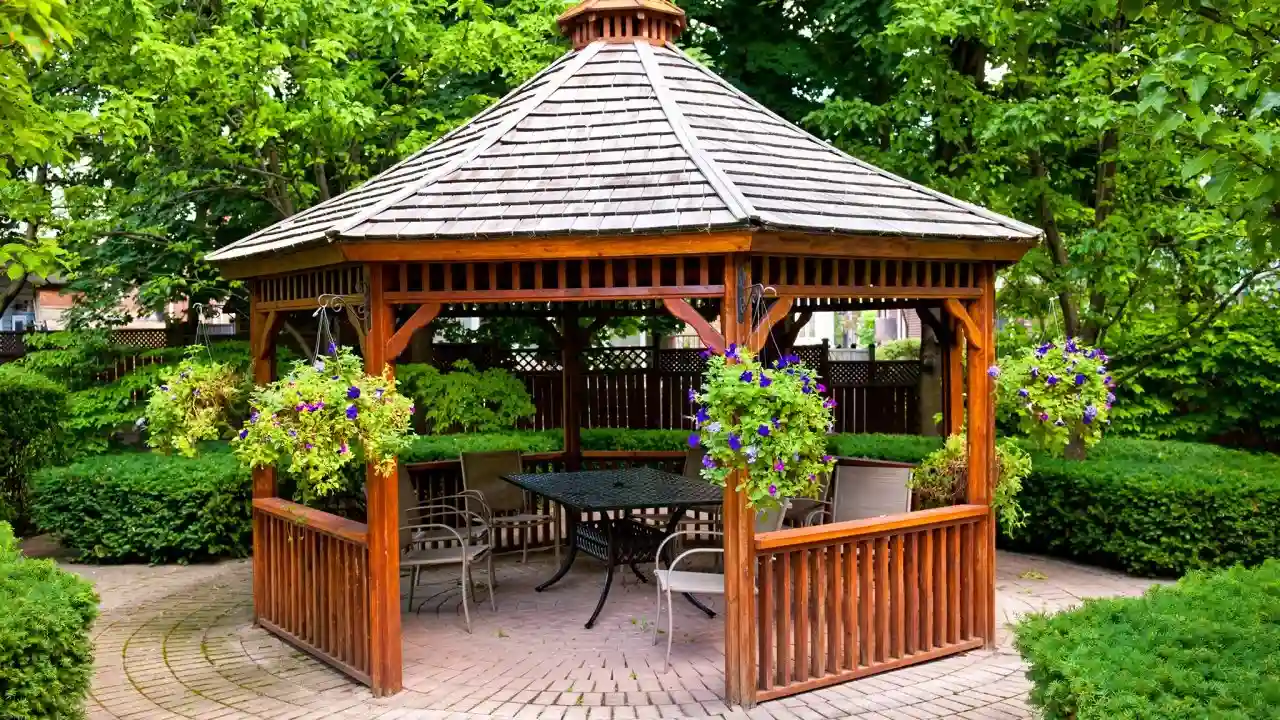
Eco-friendly custom gazebo options present a compelling avenue for sustainability-focused planners. These structures utilize responsibly sourced materials and innovative design features that promote environmental efficiency. By investing in such solutions, planners not only reduce carbon footprints but also enhance community engagement and biodiversity. As the demand for sustainable living continues to grow, the implications of these choices warrant closer examination. What specific benefits can planners expect from integrating eco-friendly gazebos into their projects?
Key Takeaways
- Eco-friendly gazebos enhance outdoor spaces while showcasing a commitment to sustainability and responsible consumption for planners focused on environmental impact.
- Utilizing sustainable materials like reclaimed wood and recycled metals reduces carbon footprints and supports eco-conscious community values.
- Energy-efficient features, such as solar panels and rainwater harvesting systems, minimize operational costs and promote resource efficiency.
- Thoughtful design elements improve natural ventilation and energy efficiency, aligning with sustainable principles that planners prioritize in their projects.
- Successful case studies demonstrate how eco-friendly gazebos foster community engagement and enhance aesthetics while reducing environmental impact.
Understanding the Importance of Eco-Friendly Custom Gazebo Options
The significance of eco-friendly custom gazebo options cannot be overstated in today’s environmentally conscious landscape. These structures not only enhance outdoor spaces but also align with a growing movement toward sustainability. By choosing eco-friendly custom gazebo, planners demonstrate a commitment to responsible consumption and environmental stewardship. These gazebos are often constructed from sustainable materials, reducing the carbon footprint associated with traditional building practices. Additionally, they can serve as community focal points, fostering connections among individuals who value ecological responsibility. Emphasizing the importance of eco-friendly custom gazebo allows planners to create inviting spaces that reflect shared values, inviting others to join in the pursuit of a greener future. This sense of belonging to a community focused on sustainability is invaluable.
Key Materials for Sustainable Gazebo Construction
Selecting appropriate materials is essential for ensuring that eco-friendly custom gazebo options are both sustainable and durable. Planners should consider using responsibly sourced wood, such as bamboo or reclaimed timber, which reduces deforestation and promotes a circular economy. Additionally, recycled metals can serve as robust structural components, enhancing longevity while minimizing environmental impact. Eco-friendly composites, made from recycled plastics and natural fibers, offer versatility without sacrificing durability. Moreover, incorporating green roofing materials, such as native plants, not only promotes biodiversity but also improves insulation. By prioritizing these key materials, sustainability-focused planners can create gazebos that resonate with a community increasingly dedicated to eco-conscious living, fostering a sense of belonging among like-minded individuals who value environmental stewardship.
Design Features That Enhance Environmental Efficiency
While designing eco-friendly custom gazebo options, incorporating features that enhance environmental efficiency is crucial for achieving sustainable outcomes. Planners focused on sustainability can greatly benefit from thoughtful design elements that not only reduce environmental impact but also foster a sense of community and belonging.
- Rainwater Harvesting Systems: Collecting rainwater for irrigation can minimize water waste.
- Solar Panels: Integrating solar energy sources provides power for lighting and heating, reducing reliance on non-renewable energy.
- Natural Ventilation: Designing for airflow can decrease the need for mechanical cooling, promoting energy efficiency.
These features align with eco-friendly principles, making gazebos not only functional spaces but also champions of sustainability. By prioritizing these design elements, planners can create environments that resonate with eco-conscious values and community engagement.
Cost-Effectiveness of Eco-Friendly Gazebo Choices
Cost-effectiveness emerges as a pivotal consideration for planners evaluating eco-friendly custom gazebo options. Investing in sustainable materials often leads to reduced long-term costs through lower maintenance and energy efficiency. Eco-friendly gazebos typically utilize renewable resources, which can decrease procurement expenses over time. Additionally, by integrating energy-efficient features, such as solar lighting, planners can also minimize operational costs. The initial expense may be higher, but the return on investment becomes evident through savings on utilities and upkeep. Moreover, eco-friendly choices resonate with socially conscious consumers, enhancing community engagement and support. Ultimately, prioritizing cost-effective eco-friendly custom gazebo options positions planners as leaders in sustainability, fostering a sense of belonging among environmentally aware stakeholders.
Case Studies: Successful Implementations of Eco-Friendly Custom Gazebos
As sustainability becomes a focal point for planners, examining successful implementations of eco-friendly custom gazebos reveals a wealth of innovative strategies and positive outcomes. One notable case is a community park that integrated solar panels into its gazebo design, providing renewable energy for lighting. Another example is a wedding venue that utilized reclaimed wood, enhancing aesthetics while promoting environmental responsibility. Finally, a local nonprofit installed a rainwater collection system within their gazebo, demonstrating resource efficiency.
- Promotes community engagement through sustainable practices
- Enhances event spaces with aesthetically pleasing designs
- Reduces environmental impact and operational costs
These implementations exemplify how eco-friendly custom gazebo options foster a sense of belonging and commitment to sustainability within communities.
Frequently Asked Questions
What Maintenance Is Required for Eco-Friendly Custom Gazebos?
Eco-friendly custom gazebos require regular cleaning, periodic inspections for wear, and occasional treatments with natural sealants. Proper maintenance guarantees longevity, preserving aesthetic appeal while aligning with sustainability principles valued by environmentally conscious planners and users alike.
Can Eco-Friendly Gazebos Be Customized for Specific Locations?
Eco-friendly custom gazebos can indeed be tailored for specific locations. These adaptations consider environmental factors, aesthetic integration, and local regulations, ensuring that planners achieve a harmonious balance between sustainability and unique site characteristics.
How Long Do Eco-Friendly Materials Typically Last?
Eco-friendly materials generally last between 15 to 30 years, depending on factors like climate and maintenance. Their durability guarantees sustainability-focused planners can create long-lasting structures that harmonize with nature while minimizing environmental impact.
Are There Eco-Friendly Gazebo Options for Small Spaces?
Yes, there are eco-friendly gazebo options for small spaces. These designs often utilize sustainable materials and compact structures, maximizing functionality while minimizing environmental impact, making them ideal for environmentally conscious individuals seeking outdoor enhancements in limited areas.
What Certifications Should I Look for in Eco-Friendly Gazebos?
When selecting eco-friendly gazebos, one should look for certifications such as FSC (Forest Stewardship Council), Energy Star, and GreenGuard, which guarantee sustainable sourcing, energy efficiency, and low emissions, supporting a commitment to environmental responsibility and community well-being.
Conclusion
In conclusion, eco-friendly custom gazebos represent a crucial intersection of sustainability and design, offering planners an opportunity to create functional, aesthetically pleasing outdoor spaces. By prioritizing responsibly sourced materials and innovative features, these structures not only minimize environmental impact but also foster community engagement and biodiversity. The investment in such sustainable options not only meets the growing demand for eco-conscious solutions but also enhances the overall value and appeal of outdoor environments, ultimately benefiting both people and the planet.
May You Also Like to Read: