Dehydration in dogs is a significant concern that can lead to serious health issues if not addressed promptly. Pet owners must be vigilant in recognizing the early signs of dehydration, which can manifest in various ways. Understanding the causes and symptoms can aid in prevention and guarantee timely intervention. The implications of neglecting hydration needs can be severe, prompting an essential examination of effective strategies for keeping dogs healthy and well-hydrated.
Key Takeaways
- Recognizing dehydration early involves monitoring for signs such as dry gums, lethargy, and decreased skin elasticity.
- Common causes include insufficient water intake, illnesses like diarrhea, and certain medications that increase fluid loss.
- Conduct a skin elasticity test by pinching the skin; slow return indicates potential dehydration levels.
- Providing fresh water and moving the dog to a cooler environment can alleviate dehydration symptoms.
- Regularly check hydration status and adjust water intake based on activity and environmental factors.
Understanding Dehydration and Its Impact on Dogs
Dehydration poses a significant health risk to dogs, often leading to severe physiological consequences. Understanding the signs of dehydration in dogs is essential for pet owners who seek to maintain their furry companions’ well-being. Key indicators include excessive thirst, dry gums, and lethargy, all of which signal that a dog may be losing more fluids than it can replenish. Additionally, skin elasticity can be tested by gently pinching the skin; if it does not return promptly to its original position, this may indicate dehydration. Recognizing these signs early can facilitate timely intervention, preventing further complications. Affected dogs may also experience decreased energy levels and changes in appetite, highlighting the importance of vigilance in monitoring hydration status for overall health.
Common Causes of Dehydration in Dogs
Several factors can contribute to the development of dehydration in dogs, making it imperative for pet owners to be aware of potential risks. Insufficient water intake, particularly during hot weather or vigorous exercise, is a primary cause. Additionally, illnesses such as diarrhea and vomiting can lead to significant fluid loss. Certain medications, especially diuretics, may also increase a dog’s risk of dehydration by promoting fluid expulsion. Age plays an important role; puppies and senior dogs are particularly vulnerable due to their higher fluid requirements and lower reserves. Furthermore, underlying health issues, including kidney disease or diabetes, can exacerbate the situation, making it essential for owners to monitor their pets closely for any signs of dehydration in dogs.
Key Signs of Dehydration in Dogs to Watch For
Recognizing the early indicators of dehydration in dogs is essential for ensuring their health and well-being. Pet owners should be vigilant for several key signs of dehydration in dogs, which can manifest in various ways. Noticing these signs early can lead to timely interventions.
- Dry Gums: Healthy dogs typically have moist, pink gums. Dry or sticky gums can indicate dehydration.
- Lethargy: A noticeable decrease in energy or enthusiasm for daily activities often signals that a dog is not adequately hydrated.
- Skin Elasticity: Gently pulling up the skin on a dog’s back should result in quick return to its original position. Slow return can indicate dehydration.
Being aware of these signs fosters a deeper connection between pet owners and their dogs, promoting better care.
Immediate Actions to Take When You Notice Dehydration
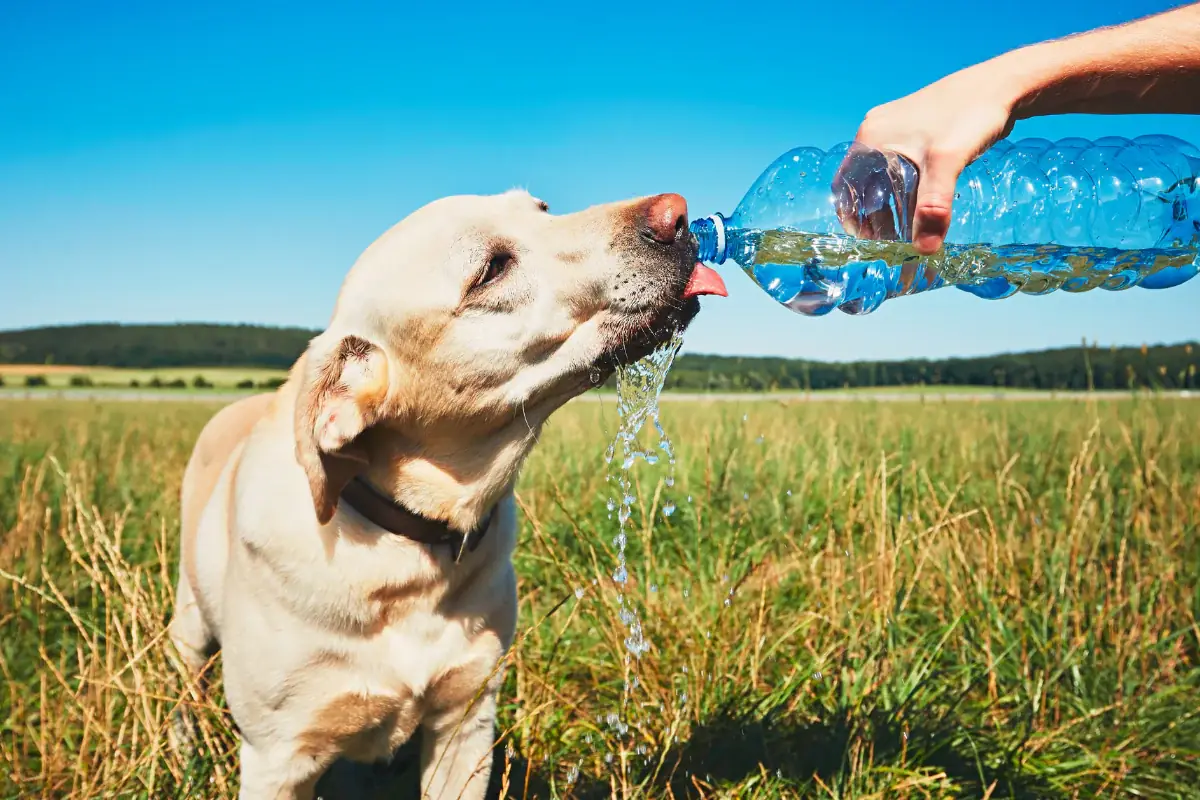
Taking swift action upon noticing signs of dehydration in dogs is essential for their health. Initially, providing fresh, clean water is important; encouraging the dog to drink can help rehydrate them. In cases where the dog refuses to drink, offering ice chips or a low-sodium broth may stimulate their interest. Additionally, moving the dog to a cooler environment can alleviate stress and heat, promoting recovery. Monitoring important signs, such as gum color and skin elasticity, is critical; pale gums or delayed skin return indicate severity. If dehydration persists or worsens, seeking veterinary assistance is imperative. Timely intervention can prevent further complications, ensuring the dog receives the appropriate care and hydration needed for recovery.
Preventative Measures to Ensure Your Dog Stays Hydrated
Making sure that dogs remain adequately hydrated involves implementing several preventative measures that can greatly reduce the risk of dehydration. Pet owners play an essential role in maintaining their dogs’ hydration levels by being proactive.
- Provide Fresh Water: Always have clean, fresh water available and make certain that the water bowl is filled throughout the day.
- Monitor Activity Levels: Be mindful of the dog’s activity and environmental conditions, especially during hot weather, making certain they take breaks to hydrate.
- Diet Consideration: Incorporate wet food into the dog’s diet, as it contains higher moisture content that contributes to overall hydration.
Frequently Asked Questions
Can Certain Dog Breeds Be More Prone to Dehydration?
Certain dog breeds, particularly those with short snouts or heavy fur, may be more prone to dehydration. Their unique physiological traits can hinder their ability to regulate body temperature and maintain adequate hydration levels effectively.
How Often Should I Check My Dog’s Hydration Levels?
Hydration levels in dogs should be checked daily, particularly during hot weather or after exercise. Regular monitoring helps identify early signs of dehydration in dogs, ensuring timely intervention and maintaining overall health and well-being.
Are There Specific Weather Conditions That Increase Dehydration Risk?
High temperatures, low humidity, and prolonged sun exposure greatly increase dehydration risk in dogs. Additionally, vigorous exercise during these conditions can exacerbate fluid loss, making it essential for owners to monitor hydration levels diligently.
What Are the Long-Term Effects of Dehydration in Dogs?
The long-term effects of dehydration in dogs can include kidney damage, urinary tract infections, and impaired bodily functions. Chronic dehydration may lead to serious health issues, affecting a dog’s overall quality of life and longevity.
Should I Consult a Vet if My Dog Refuses Water?
Consulting a veterinarian is advisable if a dog refuses water, as this may indicate underlying health issues. Early intervention can prevent complications, ensuring the dog remains hydrated and healthy, fostering a sense of belonging for pet owners.
Conclusion
To sum up, recognizing the signs of dehydration in dogs is essential for maintaining their health and well-being. By understanding the factors contributing to dehydration, identifying key symptoms, and implementing immediate actions and preventative measures, pet owners can greatly reduce the risks associated with this condition. Ultimately, fostering a proactive approach towards hydration not only enhances the quality of life for dogs but also strengthens the bond between pets and their caregivers through attentive and informed care.
You May Also Like To Read: